
Purchase Price Allocation: What Happens After You Close the Deal

When you acquire a company, you don't just record the deal as one big number on your balance sheet. Instead, you have to figure out exactly what you bought piece by piece and assign a fair value to each part. That's what a Purchase Price Allocation does
So you just closed an acquisition, congratulations! But before you pop the champagne and move on, there's one more important step waiting: Purchase Price Allocation, or PPA for short.
It sounds like dry accounting jargon, but it's actually a pretty important process that shapes how your company's financials look for years to come. Let's break it down.
What Exactly Is A PPA?
When you acquire a company, you don't just record the deal as one big number on your balance sheet. Instead, you have to figure out exactly what you bought piece by piece and assign a fair value to each part.
That's what a Purchase Price Allocation does. It takes the total price you paid and divides it across all the assets you acquired and liabilities you took on. Whatever's left over after that gets recorded as goodwill.
This process is required under ASC 805, the U.S. accounting standard for business combinations.
Why Should You Care?
A PPA isn't just a box to check for your auditors. It actually affects your business in several real ways:
- Your financial statements – It determines how accurately your balance sheet reflects what you actually acquired
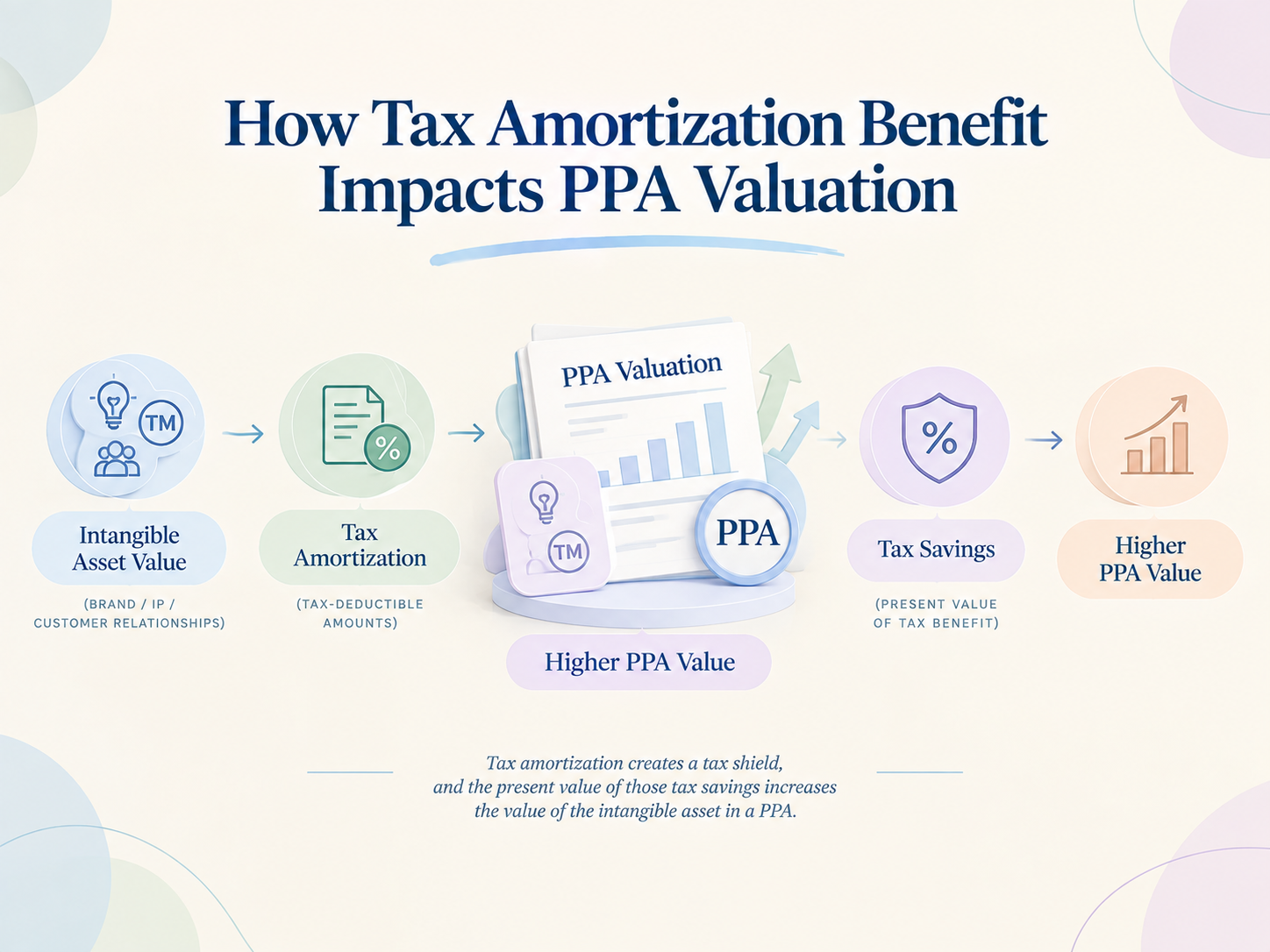
- Future expenses – The value assigned to each asset determines how it's depreciated or amortized over time, which impacts your earnings down the road
- Taxes – Depending on the deal structure, allocation can affect the tax basis of what you acquired
- Goodwill testing – It sets the baseline that goodwill and intangible assets get measured against later, when it's time to test for impairment
Get it wrong, and you could be looking at messy restatements, audit headaches, or even disputes with tax authorities down the line.
What Gets Valued in a PPA?
A typical PPA breaks the acquisition down into four buckets:
- Tangible assets – Things like property, equipment, and inventory
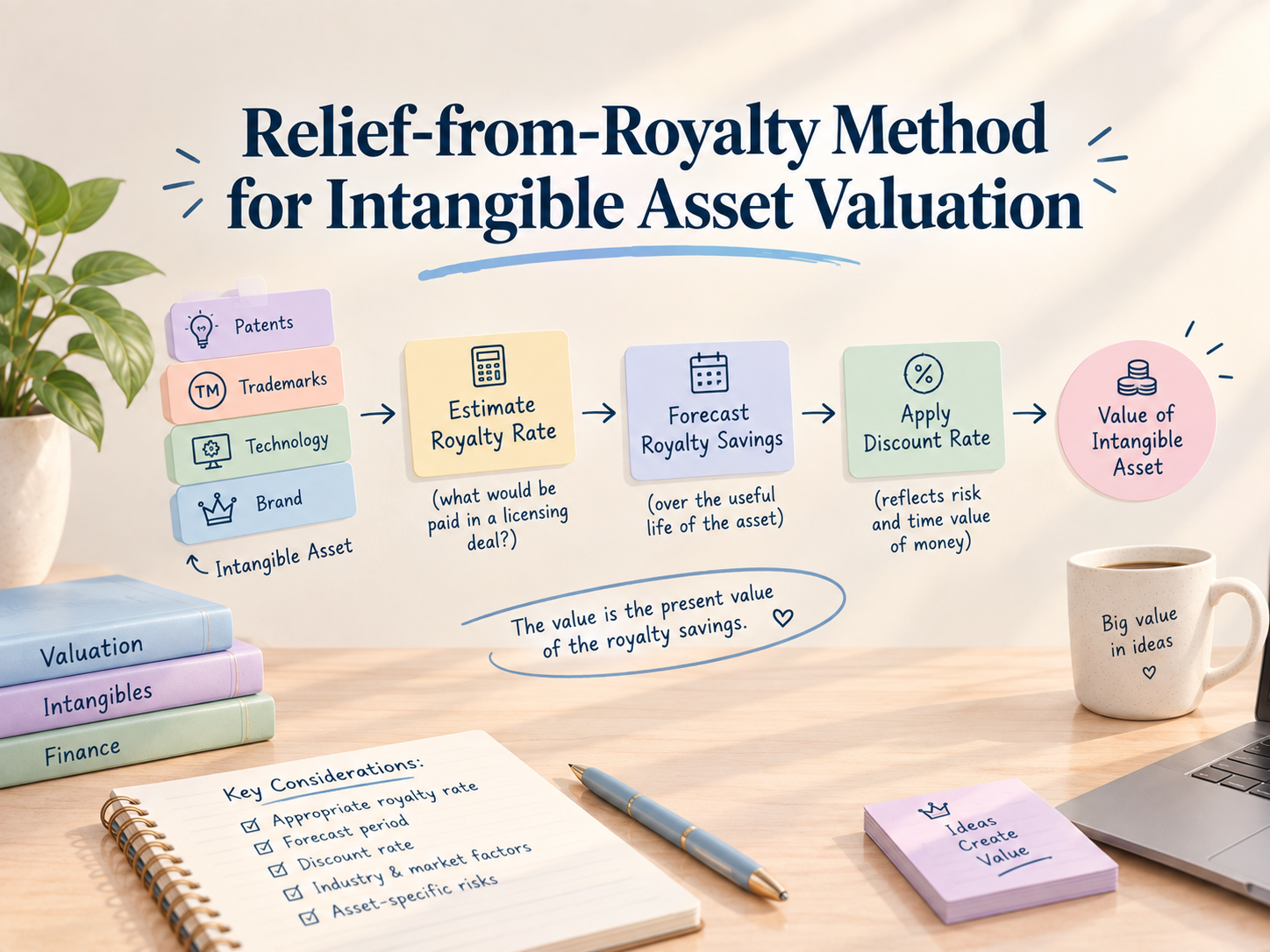
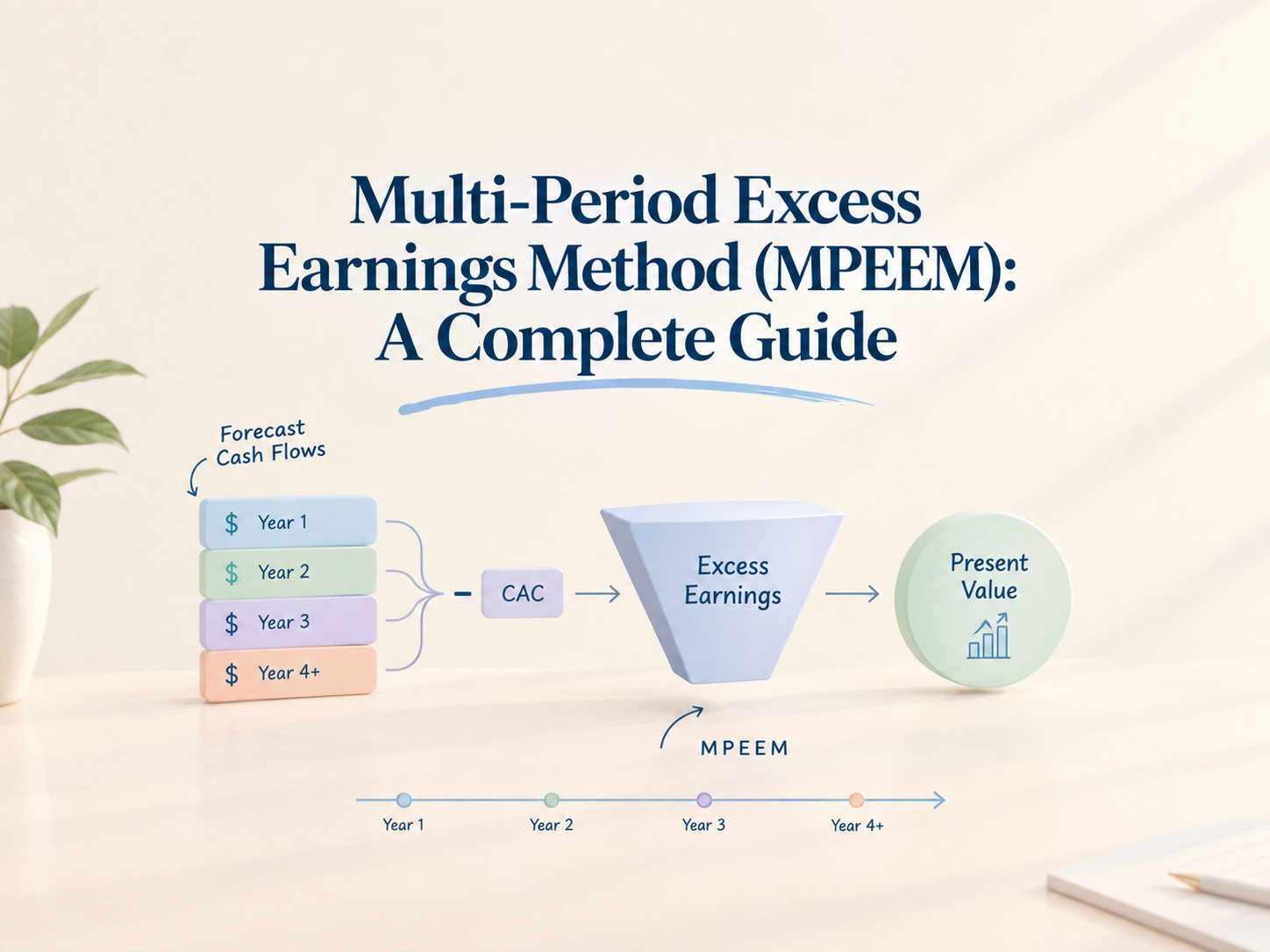
- Intangible assets – Customer relationships, trademarks, trade names, non-compete agreements, proprietary technology, and even in-progress R&D
- Liabilities assumed – Things like contingent liabilities, deferred revenue, or legal obligations
- Goodwill – Whatever value is left over once everything else has been accounted for
How Long Do You Have to Finalize It?
You don't have to nail everything down on day one. Under ASC 805, you get a measurement period of up to 12 months from the acquisition date to gather more information and finalize your numbers.
Once it's locked in, though, that allocation shapes your financial statements going forward, so it's worth getting right.
Purchase Price Allocation might not be the most exciting part of doing a deal, but it's one of the most important. It requires real coordination between your finance team, auditors, and valuation experts to make sure everything is accurate and defensible.
If you're planning an acquisition, don't leave PPA as an afterthought. Bring in qualified valuation professionals early so you're not scrambling to explain your numbers later.