
How to Calculate Contributory Asset Charges in MPEEM

Learn how contributory asset charges (CACs) are calculated in MPEEM, including the required asset returns, charge rates, projected cash flows, and their impact on intangible asset valuation.
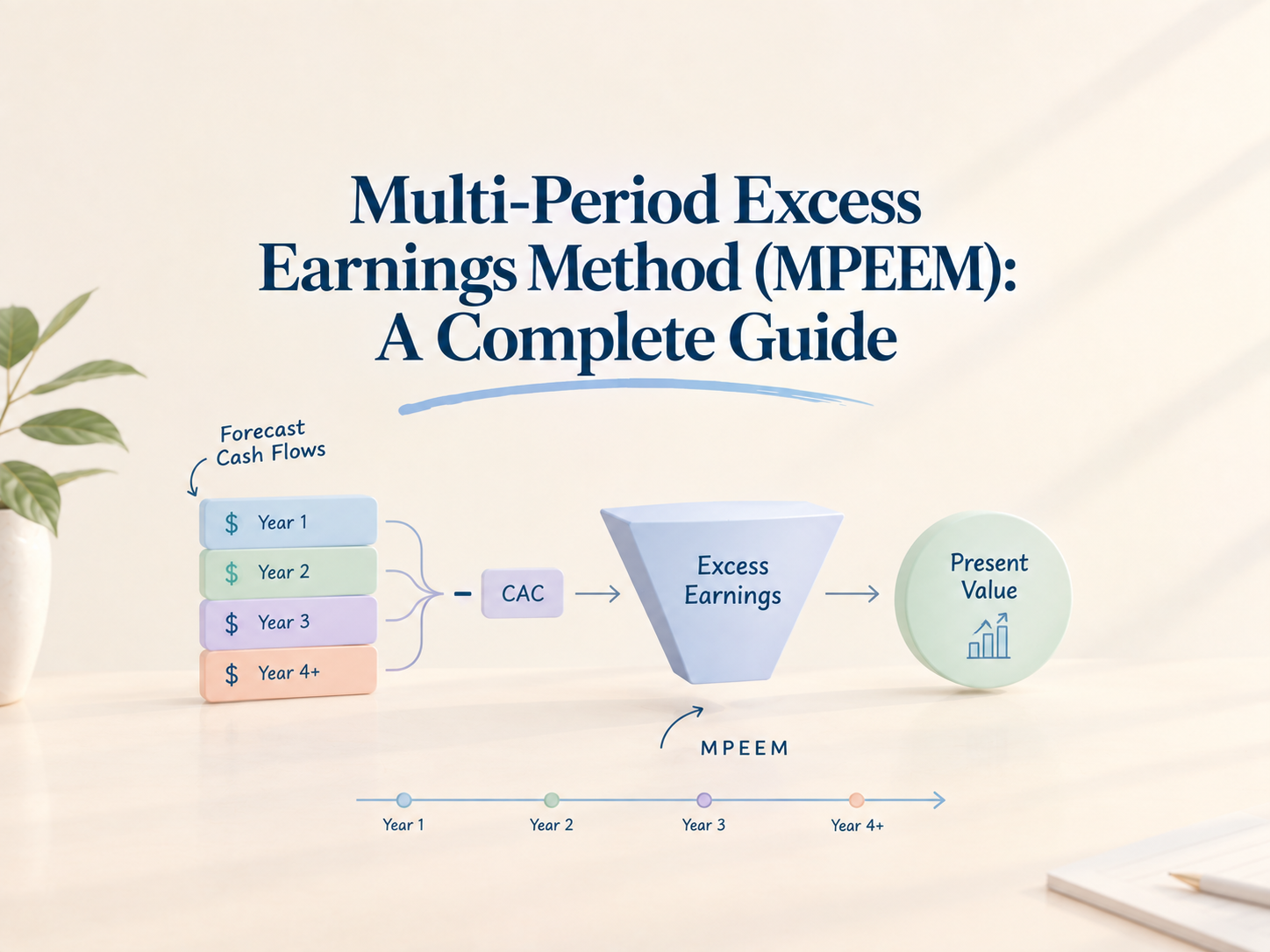
The Multi-Period Excess Earnings Method (MPEEM) values an intangible asset, such as customer relationships or technology, by asking how much profit it generates beyond what every other asset needs to earn. Those "other assets" are paid for through contributory asset charges (CACs). Get them wrong and the value of the intangible is wrong, because every rupee of overstated charge removes a rupee of excess earnings. This post explains how to calculate them in plain steps.
A business earns profit by combining many assets: working capital, machinery, people, brands, technology and customer relationships. If you are valuing just one of those, the profit attributable to it is what remains after paying a fair return to all the others. A contributory asset charge is that fair return, expressed as an annual deduction from the cash flows of the business.
Excess earnings = after-tax operating profit attributable to the subject asset's cash flows − contributory asset charges
Step 1: Identify the Contributory Assets
List every asset the business needs to generate the forecast earnings, other than the one being valued. Typical categories:
- Net working capital: receivables, inventory and payables
- Fixed assets: property, plant and equipment
- Assembled workforce: the trained team in place
- Other intangibles: for example a trade name, technology or non-compete, when the subject asset is something else
Leave out the asset being valued, and avoid double counting. Goodwill is not a contributory asset, because it is the residual.
Step 2: Value Each Contributory Asset
- Working capital: use the level needed to support the forecast revenue, often as a percentage of sales
- Fixed assets: use fair value, or the carrying amount if it is a reasonable proxy
- Assembled workforce: often the cost to recruit and train a replacement team
- Other intangibles: use fair value, often from a separate valuation
The values should be projected for each year, as asset levels change with the business.
Step 3: Choose a Required Rate of Return
Each asset has a different risk, so each gets a different return. In general:
- Working capital: lowest return, close to short-term borrowing rates
- Fixed assets: a return close to secured borrowing rates, reflecting what a lender would charge against them
- Assembled workforce and other intangibles: higher returns, since they are riskier
- The subject asset itself: the highest, usually near the discount rate for the overall business
The returns across all assets, weighted by value, should reconcile broadly to the company's overall WACC, which serves as a useful check.
Step 4: Calculate the Charge
For each asset and each year:
Contributory asset charge = Asset value × Required return
Two points need care.
- Return on and return of. A charge may include a return on the asset (the cost of capital tied up) and a return of the asset (recovery of its value as it wears out). If the cash flow being used is already after depreciation, the return of is effectively captured and the charge is only the return on. If the cash flow is before depreciation, you must add the return of. Pick one approach and apply it consistently.
- Pre-tax and post-tax. The charge must be on the same tax basis as the earnings it is deducted from. If the earnings are after tax, the charges should be after tax too.
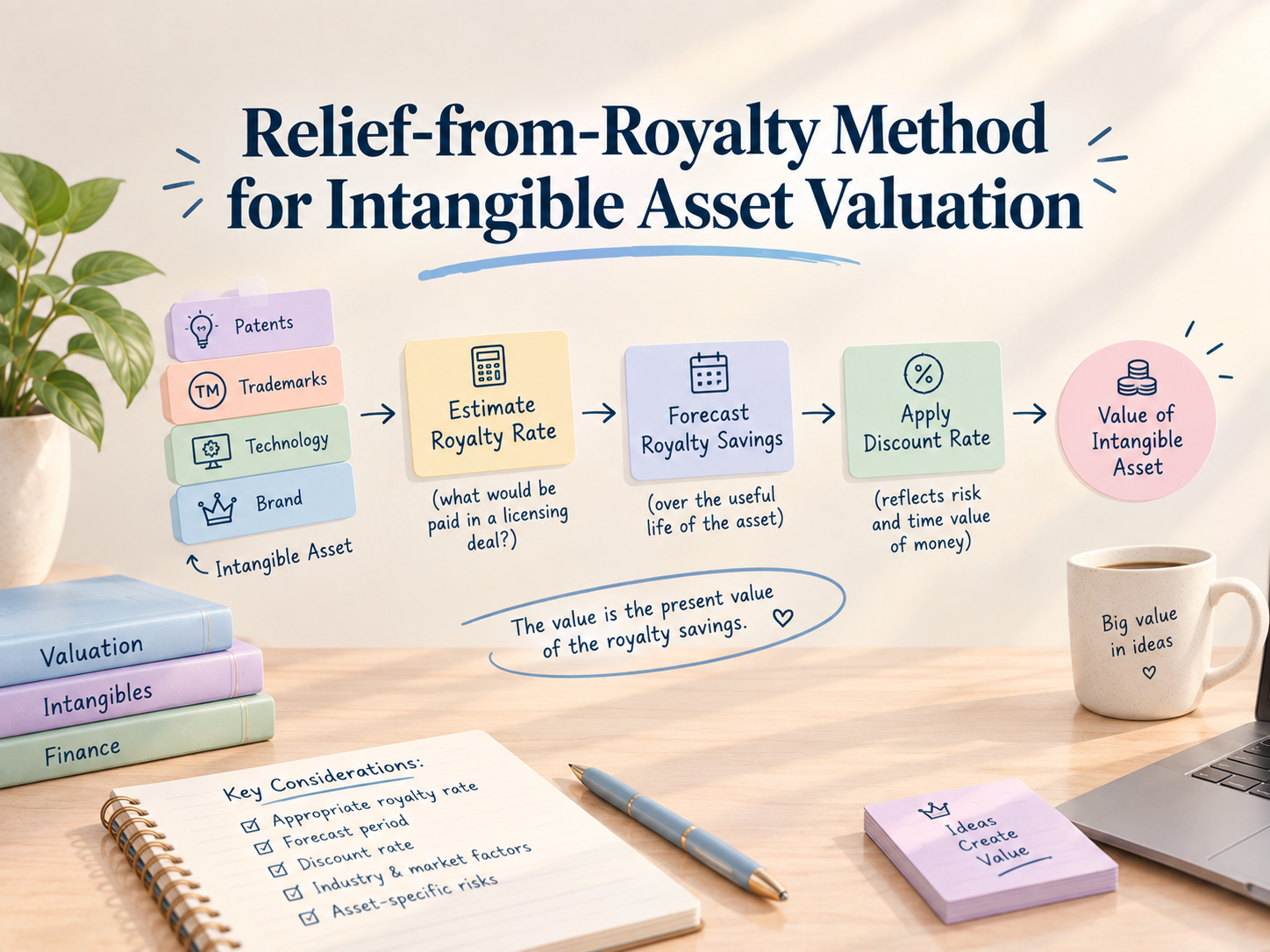
For intangible assets such as a trade name, a common shortcut is to charge a royalty rate on revenue and tax-effect it, instead of a return on a separate asset value.
A Simple Example
For one year, assume after-tax operating profit of 150, and the following charges, shown after tax.
- Working capital: 200 × 5% = 10
- Fixed assets: 400 × 8% = 32
- Assembled workforce: 50 × 12% = 6
- Trade name: a 2% royalty on revenue of 1,000 is 20, or 15 after 25% tax
Total contributory asset charges = 10 + 32 + 6 + 15 = 63
Excess earnings attributable to the subject asset = 150 − 63 = 87
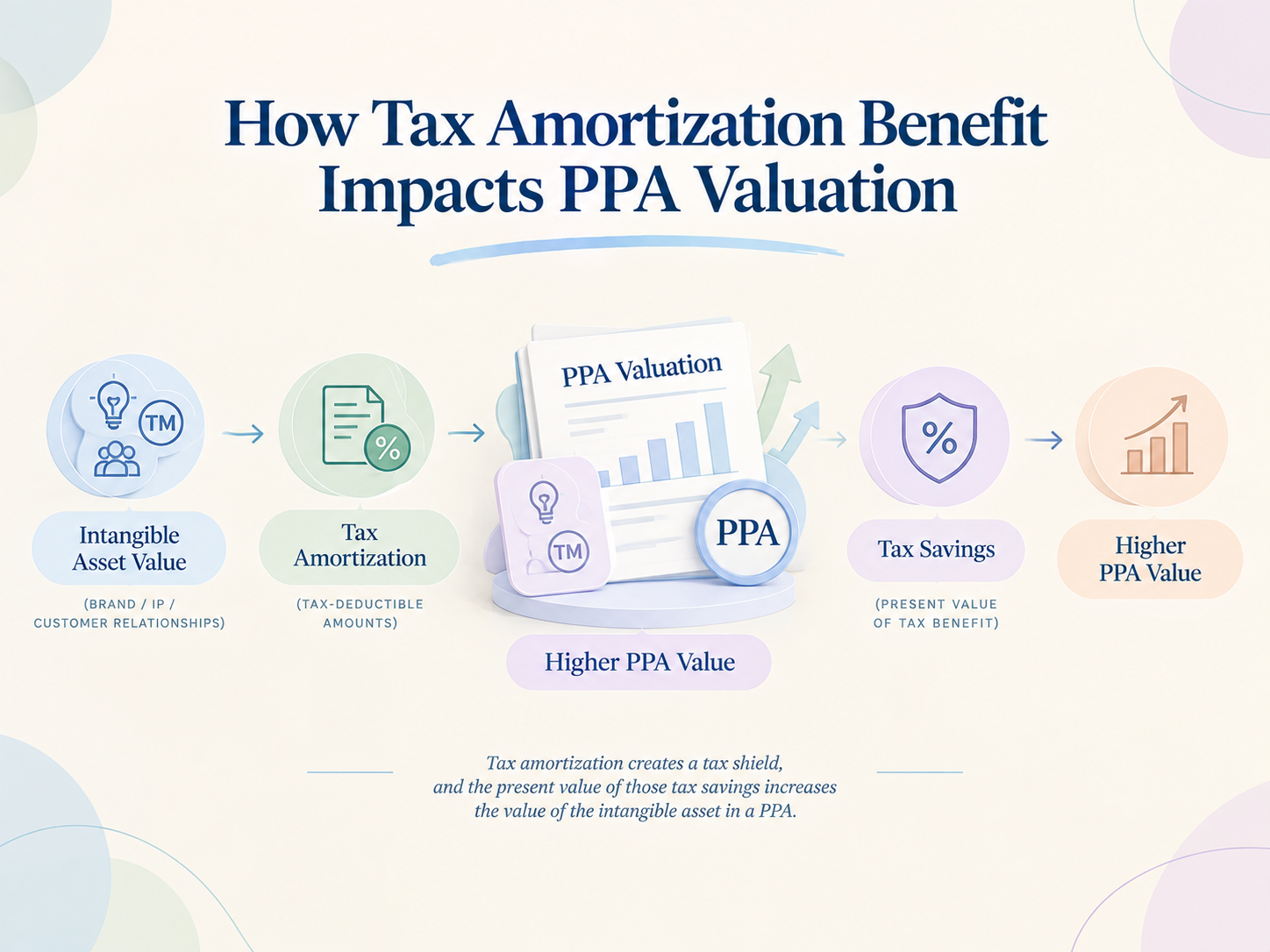
These excess earnings are forecast for each year of the asset's life, discounted at a rate reflecting the asset's risk and, where relevant, increased by the tax amortisation benefit.
Conclusion
Contributory asset charges are a fair rent paid to every other asset for its help in earning profit. Identify those assets, value them year by year, assign returns that match their risk, and apply them on a consistent tax basis. Then reconcile the result to the business's overall cost of capital as a reasonableness test. Document each rate and its source, because reviewers will test them.